Understanding the Causes of Musculoskeletal Pain
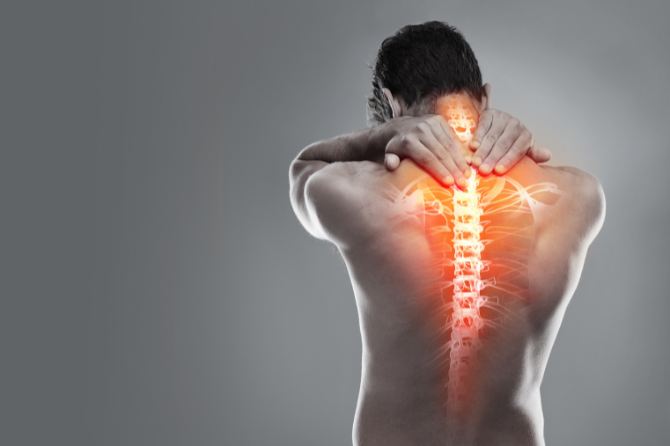
Pain affecting the back, neck, and joints is one of the most common health concerns among adults. It can develop suddenly after an injury or gradually because of aging, repetitive movements, poor posture, arthritis, or underlying medical conditions. While occasional discomfort often improves with rest, persistent pain may interfere with work, sleep, physical activity, and overall quality of life.
Finding the right treatment begins with understanding the source of the pain rather than simply managing the symptoms. Healthcare providers typically evaluate medical history, lifestyle, physical function, and diagnostic imaging when necessary to identify the underlying cause. This comprehensive approach helps determine which treatments are most appropriate for long-term improvement.
People seeking guidance from a Pain Management Center in Newport Beach often benefit from individualized assessments that focus on improving function while addressing the root cause of chronic or recurring pain.
Why an Accurate Diagnosis Matters
Back, neck, and joint pain can share similar symptoms while originating from very different conditions. A muscle strain, herniated disc, nerve compression, tendon injury, osteoarthritis, or inflammatory disease may all cause discomfort but require different treatment strategies.
An accurate diagnosis allows healthcare providers to:
- Identify the actual source of pain
- Rule out serious medical conditions
- Avoid unnecessary treatments
- Develop an individualized recovery plan
- Monitor progress over time
Without identifying the underlying cause, temporary symptom relief may not prevent recurring pain or further complications.
Non-Surgical Treatment Options
Many people achieve meaningful improvement without surgery. Conservative treatments are often recommended first, especially when symptoms are mild to moderate.
Physical Therapy
Physical therapy focuses on improving strength, flexibility, posture, balance, and mobility. Customized exercise programs help stabilize affected joints and muscles while reducing stress on painful areas. Regular therapy can also decrease the risk of future injuries.
Medication Management
Depending on the diagnosis, healthcare providers may recommend anti-inflammatory medications, muscle relaxants, topical treatments, or other medications to reduce pain and inflammation. Medication plans should always be monitored to balance symptom relief with potential side effects.
Lifestyle Modifications
Daily habits significantly influence musculoskeletal health. Maintaining a healthy weight, staying physically active, improving workplace ergonomics, and practicing proper lifting techniques may reduce strain on the spine and joints.
Adequate sleep, stress management, and balanced nutrition also support recovery by promoting tissue healing and reducing inflammation.
Interventional Pain Management Procedures
When conservative treatments do not provide sufficient relief, minimally invasive procedures may be considered. These options aim to reduce pain while improving physical function.
Common procedures include:
- Corticosteroid injections
- Epidural steroid injections
- Facet joint injections
- Nerve blocks
- Radiofrequency ablation
- Regenerative medicine approaches in selected cases
The suitability of each procedure depends on the patient's diagnosis, medical history, imaging findings, and treatment goals. These interventions are generally performed after a careful evaluation rather than as a first-line solution.
Choosing the Right Treatment for Back Pain
Back pain affects people differently depending on the location and cause. Some individuals experience muscle-related discomfort, while others develop symptoms due to spinal degeneration or nerve irritation.
Treatment decisions often consider:
- Duration of symptoms
- Pain intensity
- Functional limitations
- Imaging results
- Previous treatment response
- Overall health
Consulting a Back Pain Doctor in Newport Beach may help determine whether physical therapy, medication, injections, or other evidence-based approaches are appropriate for a particular condition.
Managing Neck Pain Effectively
Neck pain frequently develops from prolonged computer use, poor posture, repetitive movements, sports injuries, or age-related degeneration. In some cases, pain may radiate into the shoulders or arms because of nerve involvement.
Early treatment often focuses on restoring normal movement while reducing muscle tension and inflammation. Stretching exercises, posture correction, ergonomic adjustments, manual therapy, and guided rehabilitation may all contribute to recovery.
Individuals experiencing numbness, weakness, or persistent symptoms should seek medical evaluation to identify potential nerve compression or structural abnormalities requiring specialized care.
Finding the Best Approach for Joint Pain
Joint pain commonly affects the knees, hips, shoulders, and other weight-bearing joints. Arthritis, ligament injuries, cartilage damage, overuse, and inflammatory conditions are among the most frequent causes.
Treatment plans vary depending on the severity of joint damage and activity level. Many patients benefit from strengthening exercises, weight management, activity modification, supportive braces, and targeted injections before considering surgical options.
A consultation with a Knee Pain Doctor in Newport Beach may help determine which conservative or interventional treatments best support improved mobility and long-term joint health.
When Should You Seek Medical Evaluation?
Although occasional aches are common, certain symptoms deserve prompt medical attention. Consider scheduling an evaluation if pain:
- Persists for several weeks
- Worsens despite home care
- Limits daily activities
- Causes numbness or weakness
- Radiates into the arms or legs
- Follows a significant injury
- Interferes with sleep consistently
Early assessment often allows healthcare providers to begin appropriate treatment before symptoms become more severe or difficult to manage.
Conclusion
Selecting the right treatment for back, neck, and joint pain depends on identifying the underlying cause rather than focusing only on symptom relief. Conservative therapies, lifestyle modifications, rehabilitation, and minimally invasive procedures all play important roles depending on the individual's condition and recovery goals. A thorough evaluation helps guide evidence-based decisions that prioritize long-term function, improved mobility, and better quality of life while reducing the risk of ongoing or recurring pain.